UK B2B Trade Portal
Wholesale Sourcing Made Easy!
|Sign In|Join Now|Buyers:Start Sourcing|Suppliers:Get Listed|Help
Welcome to eSources.co.uk The UK's Largest Wholesale Directory of UK Wholesale Distributors, Suppliers and Products.
Email suppliers directly, browse wholesale products and ask importers, distributors and wholesalers to fulfil your orders.
Browse Wholesale Distributors, Trade Suppliers and Importers in the UK
Last Updated: 26th April, 2024 22:23 GMT
News:
- Apparel & Clothing(2232)
- Arts & Crafts(495)
- Automotive & Transport(821)
- Business Services(599)
- Business Supplies(1072)
- Computer & Software(640)
- Construction & DIY(1630)
- Dropshippers & Dropshipping(297)
- Electrical & Lighting(1338)
- Electronics & Photo(624)
- Floral & Garden(851)
- Food & Beverages(2317)
- Gifts & Giftware(1122)
- Health & Beauty(1749)
- Home Supplies(3167)
- Industrial & Materials(1277)
- Jewellery & Watches(785)
- Promotional Merchandise(317)
- Publishing & Print(1064)
- Security & Protection(582)
- Sports & Leisure(809)
- Surplus & Stocklots(622)
- Telecom & Mobiles(223)
- Textiles & Fabrics(401)
- Toys & Games(503)
- Travel & Outdoors(617)
eSources is the UK's fastest growing wholesale trade directory. Our services will help you source wholesale merchandise from UK suppliers faster than ever before.
Basic wholesale buyer membership is free, with the option of upgrading to premium buyer services to access all listed supplier and wholesaler details. If you are a UK wholesale supplier you can list your business details free and upgrade to premium services, which include a number of trade tools that will increase your company's exposure to wholesale buyers worldwide.
Thousands of trade buyers and wholesale UK suppliers are joining eSources every month, be part of this growing trend and start profiting from our services.
Current Live Listings
- 395,590UK Wholesalers Listings
- 368,679International Wholesalers
- 171,991Dropshippers
- 244,282Wholesale Products
- 59,902Trade Leads
- 2,210Auctioneers
- 333,715Other
- 1,585,100+Total Live Listings
For Trade Buyers
- Contact wholesale suppliers
- Source wholesale products
- Register for a free buyer account
- List your buy requests Free!
- Subscribe to Premium Buyer Membership to get access to thousands of exclusive wholesale sources and websites.
For Trade Suppliers
- Are you a wholesaler or trade supplier? Request a free listing on eSources
- Register for Premium Supplier Membership and increase your business and products visibility to buyers worldwide.
- List products, receive orders, and reply to buy leads.
- Track your advertising performance
- Receive alerts on new buy requests
- List your company profile in up to 5 categories and target each profile to each category.
- Stay ahead of your competition.
Resources
- Access hundreds of auction houses and discover the latest clearance auctions in the UK
- Read trade related articles and enhance your sales skills.
- Research the selling potential of any product using the free eSources Market Research Wizard.
New Wholesale Products
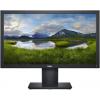

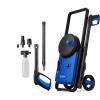
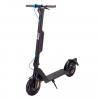
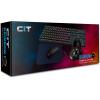
Register on eSources as a buyer, premium supplier or international supplier:
As a B2B trade portal we offer 4 registration options. If you are a retailer or trade buyer looking to source wholesale products, stocklots or clearance lines from UK suppliers and wholesalers, select the Trade Buyers registration option. UK based suppliers, wholesalers, importers, distributors and manufacturers looking to reach trade buyers worldwide can list their business using our premium services. If your business is based abroad but supplies to the UK please use the international supplier registration option. Premium suppliers, wholesalers, importers and manufacturers benefit from increased exposure and numerous trading tools to increase sales:
Trade Buyers
- Free access to all premium suppliers
- Access to the latest wholesale offers
- View wholesale prices and place orders
- Contact UK trade suppliers directly
- List your requests for wholesale stock
- Receive quotes from relevant suppliers
- Free email updates on the latest deals
UK Wholesale Suppliers
- Post your wholesale company profile
- Submit up to 5 business profiles
- Display your full contact details live
- List unlimited wholesale products
- Get TradePass™ authentication
- Post Sell leads and access Buy leads
- Online cart, click tracking and lots more
International Suppliers
- Priority listing in the international directory
- Submit up to 5 wholesale profiles
- Display your full contact details live
- List unlimited wholesale products
- Get TradePass™ authentication
- Receive notifications on new buy leads
- Online cart, click tracking and lots more